In today’s rapidly evolving digital landscape, the shift towards e-invoicing is becoming increasingly vital for businesses in Malaysia to stay competitive and compliant with government regulations sap business one Malaysia.
This article explores the benefits, strategies, and importance of adopting e-invoicing, offering valuable insights on how businesses can prepare themselves for the future.
Embracing e-invoicing not only streamlines processes but also ensures readiness for the digital economy, positioning businesses for sustained success and growth.
Benefits of E-Invoicing
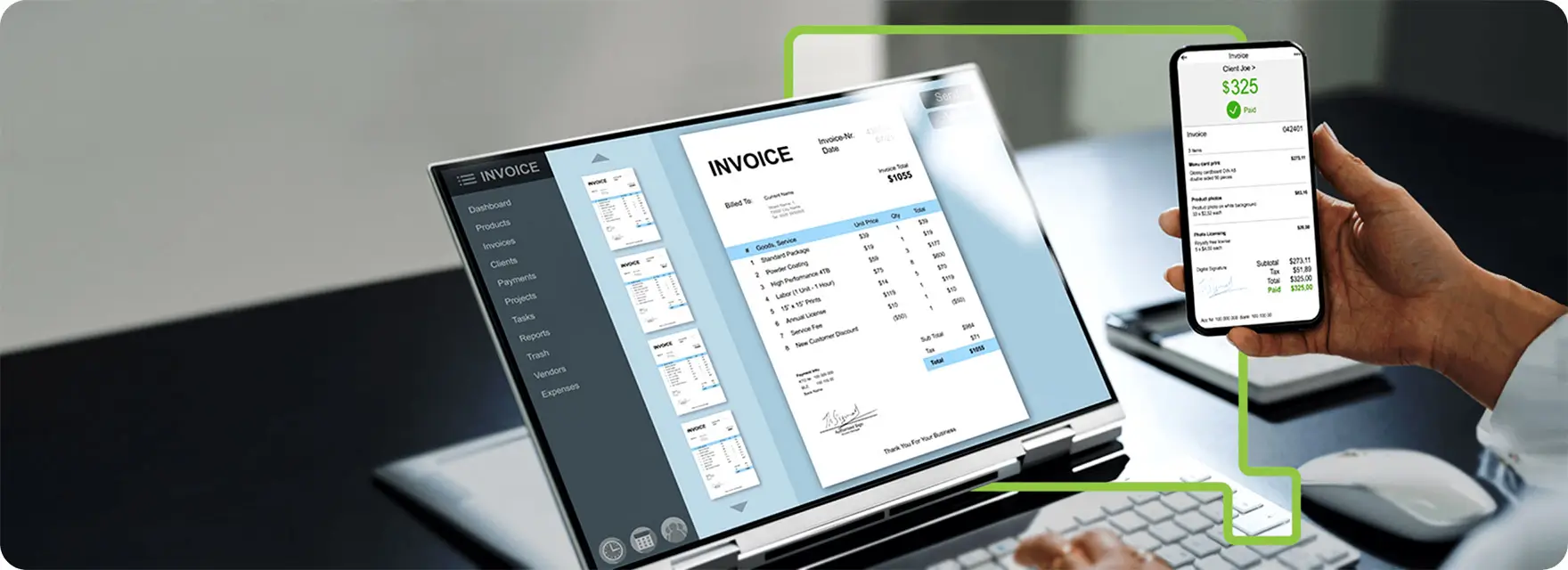
One significant benefit of e-invoicing is the reduction in processing costs for businesses. By transitioning to electronic invoicing, companies can streamline their accounts payable and receivable processes, eliminating the need for manual data entry and paper-based documentation. This not only saves time but also reduces the likelihood of errors that can occur during manual processing. Moreover, e-invoicing allows for faster payment cycles, enabling businesses to improve their cash flow management and overall financial health.
Another advantage of e-invoicing is the enhanced security and transparency it provides. Electronic invoices are encrypted and stored securely in digital databases https://aspert.com.my/solutions/sap-business-one/, reducing the risk of fraud or data breaches compared to traditional paper invoices. Additionally, e-invoicing offers businesses greater visibility into their financial transactions, allowing for better tracking and monitoring of payments.
Government Mandate and Compliance
Transitioning to e-invoicing not only brings cost-saving benefits and enhanced security measures for businesses but also ensures compliance with government mandates regarding digital financial transactions. In Malaysia, the government has been actively promoting e-invoicing as part of its efforts to modernize the business landscape and streamline financial processes. By mandating the use of e-invoices, authorities aim to increase transparency, reduce tax evasion, and enhance overall efficiency in the invoicing ecosystem.
To comply with government regulations, businesses must adapt their invoicing practices to align with the standards set forth by the Malaysian government. This includes ensuring the authenticity, integrity, and legibility of e-invoices, as well as following specific formatting requirements. Failure to comply with these regulations could result in penalties or legal repercussions, highlighting the importance of adhering to government mandates in the realm of e-invoicing.
Transition Strategies for Businesses
Adapting invoicing practices to align with government regulations is crucial for Malaysian businesses looking to transition smoothly to e-invoicing.
To effectively navigate this shift, businesses can start by conducting a thorough assessment of their current invoicing processes. This evaluation should identify areas that need adjustment to comply with e-invoicing standards set by the government.
Next, companies should invest in e-invoicing software that meets regulatory requirements while also aligning with their specific business needs. Training employees on how to use this software efficiently is essential for a seamless transition.
Additionally, businesses should communicate proactively with suppliers and customers to inform them of the upcoming changes and ensure a coordinated transition to e-invoicing.
Embracing digital signatures and encryption methods can enhance the security of e-invoices, giving businesses and their partners peace of mind.
Importance of E-Invoicing Adoption
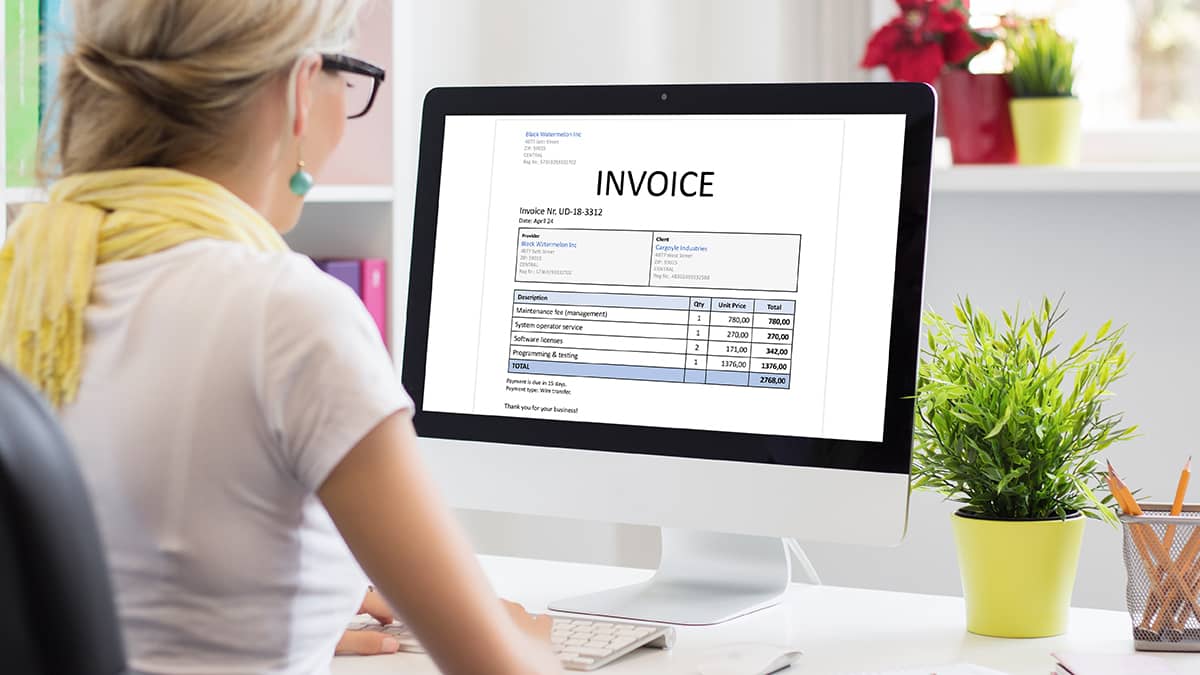
Ensuring compliance with e-invoicing regulations is paramount for Malaysian businesses due to the efficiency and security benefits it offers. E-invoicing adoption streamlines the invoicing process, reducing manual errors, and enhancing operational efficiency. By transitioning to e-invoicing, businesses can experience cost savings, improved cash flow management, and faster payment processing. Additionally, the digital nature of e-invoices enhances data accuracy and reduces the risk of fraudulent activities.
Furthermore, embracing e-invoicing can lead to better relationships with suppliers and customers by providing a more transparent and streamlined communication channel. This transparency can foster trust and credibility within the business ecosystem. Moreover, e-invoicing aligns with global trends towards digitalization, positioning businesses for future growth and competitiveness in the market.
Staying Competitive in Digital Economy
In the rapidly evolving digital economy landscape, Malaysian businesses must continually innovate to stay competitive and relevant. Embracing e-invoicing is a crucial step towards enhancing operational efficiency, reducing costs, and improving customer relationships. By automating invoicing processes, businesses can streamline their financial operations, leading to faster payment cycles and improved cash flow management. Furthermore, e-invoicing enables businesses to access real-time data analytics, allowing for better decision-making and strategic planning.
To stay competitive in the digital economy, Malaysian businesses should also prioritize cybersecurity measures to protect sensitive financial information and customer data. Investing in robust cybersecurity systems and staying updated on the latest threats can safeguard businesses from potential cyberattacks, maintaining trust and credibility with customers.
Additionally, fostering a culture of continuous learning and adaptation is essential for businesses to thrive in the digital era. By encouraging employees to upskill in digital technologies and promoting a mindset of innovation, businesses can stay agile and responsive to market changes, ensuring long-term competitiveness and growth in the digital economy landscape.
Conclusion
In conclusion, Malaysia’s e-invoicing initiative offers numerous benefits for businesses, including:
- Improved efficiency
- Reduced costs
- Enhanced compliance with government regulations
As the country moves towards a digital economy, it is crucial for businesses to adopt e-invoicing to stay competitive in the market. By preparing for the future and implementing e-invoicing strategies, businesses can streamline their processes and ensure long-term success in the evolving business landscape.
About The Author